

This website is not active any more. We are in the process of transforming it into a permanent open archive and of optimising it for that function.
At present, all its past posts and blogs can be freely consulted and downloaded (notwithstanding a few minor bugs, for which we apologize).
...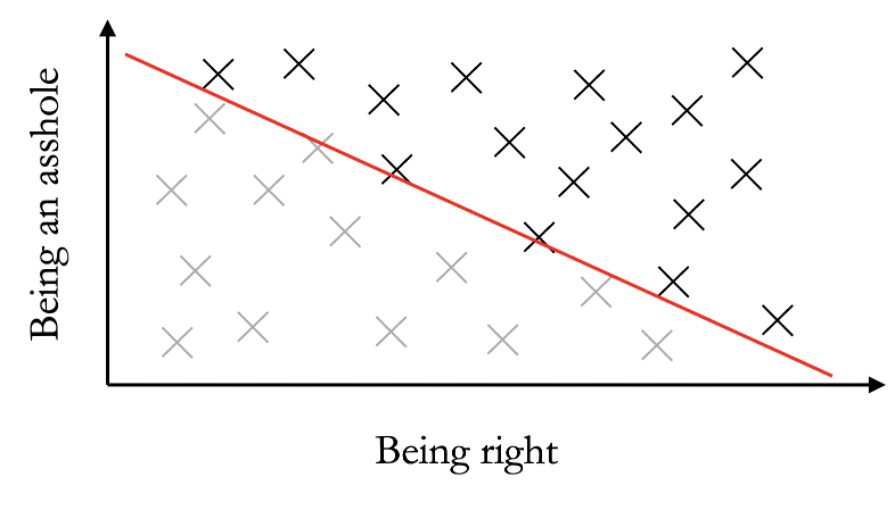
Why assholes are more likely to be wrong
Sometimes, we form beliefs that we anticipate others will disagree with—from thinking a movie our friends unanimously loved was terrible, to developing a new scientific theory that upsets the
The design of institutions & the design of the mind
What is the public sphere and how should it be organised? The question is ancient but it has been given new life and urgency by the internet and, in particular, the rise of social media, which
Fairness WhatsApp Chats
Fairness. We have all heard the word. Most of us know what it means. But as it turns out, all of us have very different images of it. Look at these excerpts from my WhatsApp chats:
“In terms
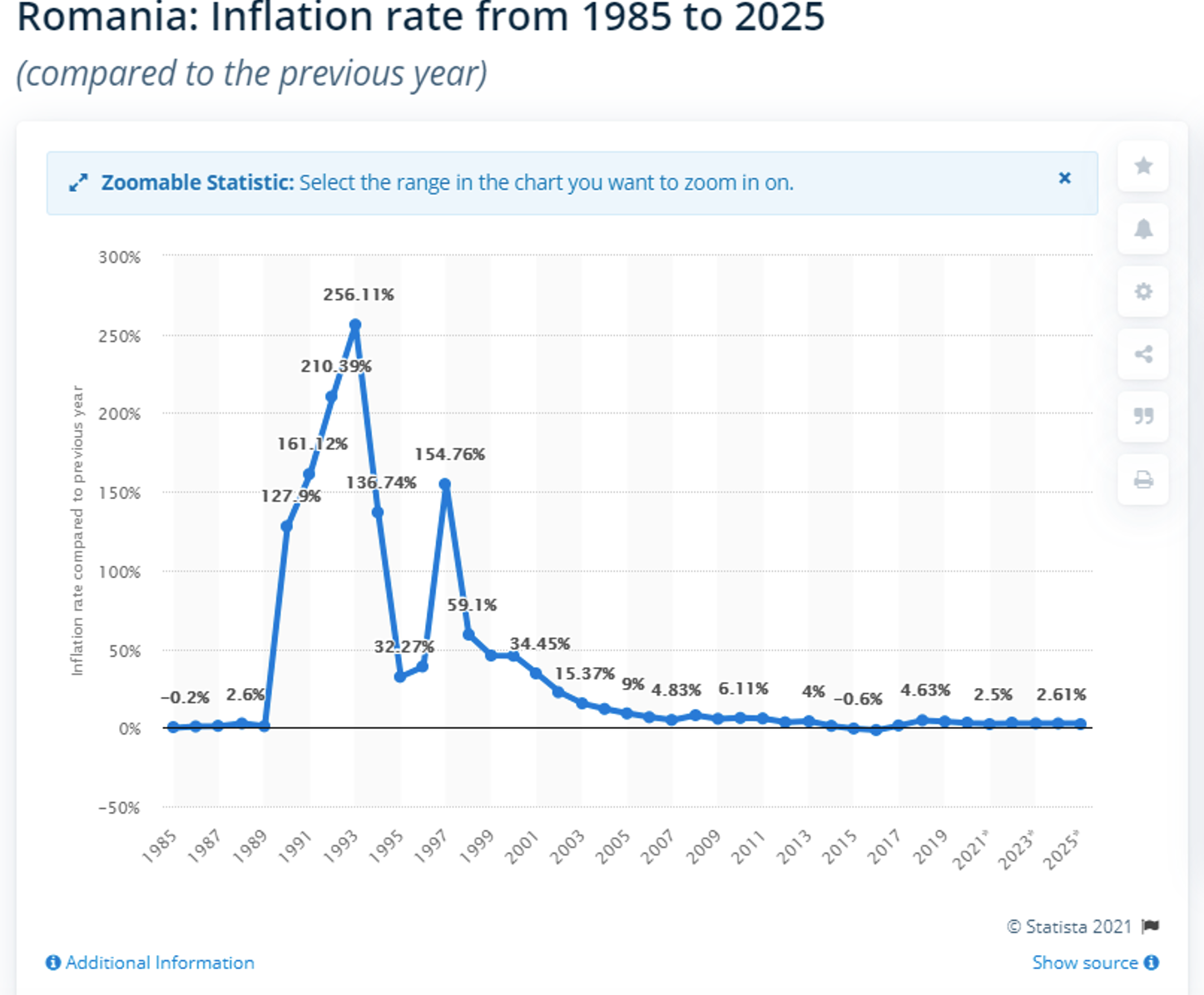
Why are Romanian cars and real estate priced in euros? A particular case of Thiers’ Law
In contemporary Romania, the prices of real estate (sale or rent) and cars are expressed in euros, even though most transactions involve lei (singular leu, the national currency). Sometimes wages and
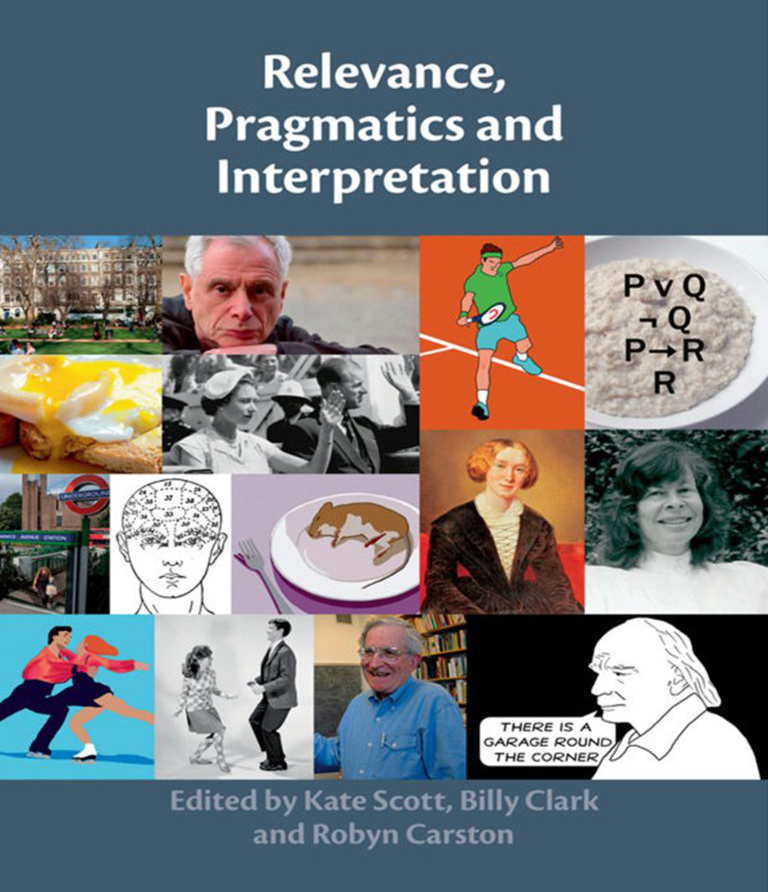
Notes on relevance theory
Edited by by Kate Scott, Billy Clark, and Robyn Carston, Relevance, Pragmatics and Interpretation (Cambridge UP 2019), is both a collection of outstanding essays* exemplifying current directions of

‘It’s like you disappear’ – Fleabag’s Attentional Conflicts
In his book Cultural Evolution in the Digital Age that has been extensively discussed on these pages, Alberto Acerbi asks how the diffusion of digital media might influence the dissemination and
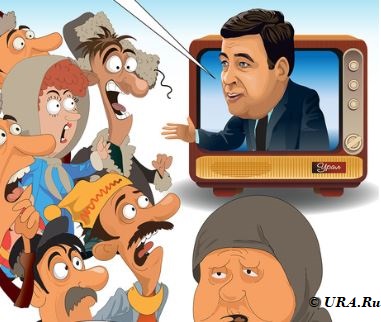
Public Relations Failures by Russian State Officials: A Botched Cultural Transmission?
In 2018, during a public meeting, Olga Glatskikh, head of the Sverdlovsk Region Youth Politics Department, gave the following response to a question about the lack of state funding for youth